
Home › Massachusetts › Reading
HVAC in Reading, MA
Reading's Building Division says plainly that a new or replacement HVAC unit, condenser or mini-split needs a building permit, and new ductwork comes with Manual J, S and D paperwork. Call (978) 691-9005 or use the form. A person reads every request and replies with what happens next.
- Free for homeowners
- State licenses checked first
- Stretch Code town
Ask About Heating and Cooling Service in Your Area
Tell us about the house and what heats it. A person reads it and replies with what happens next.
Please add your name, a 10-digit phone number and a valid email.
Your request didn't go through on our end. Please call (978) 691-9005 so it isn't lost.
Too many requests have come from this connection in a short time. Please call (978) 691-9005 and we'll take it from there.
We couldn't finish the spam check. Wait a moment and send it again, or call (978) 691-9005.
Heating and cooling in Reading
Start with the kind of job
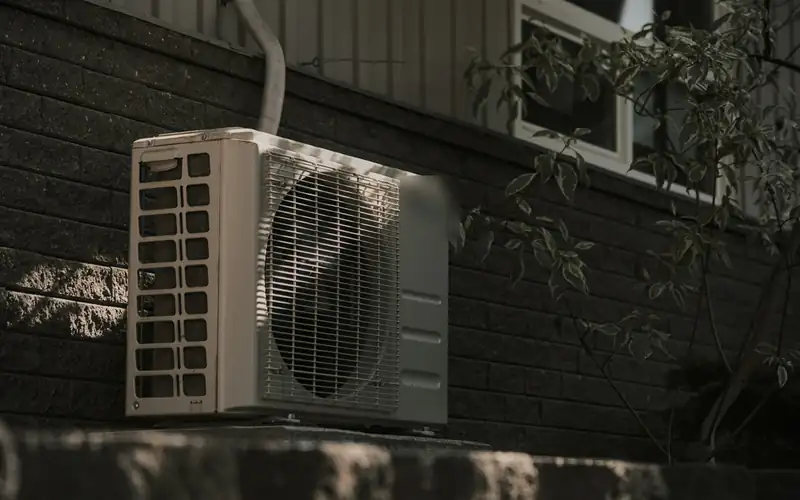
Heat Pumps & Conversions
Ducted and ductless heat pumps, and moving off oil or propane, with the rebate paperwork in mind.
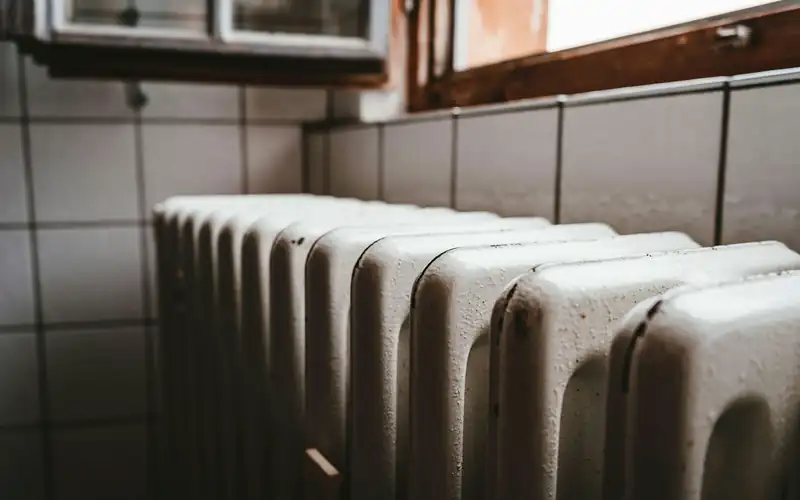
Furnaces & Boilers
Replacing a tired furnace or boiler, gas or oil, and repairs when the heat quits.

Central Air Conditioning
New and replacement central air for houses that already have ducts, or are getting them.
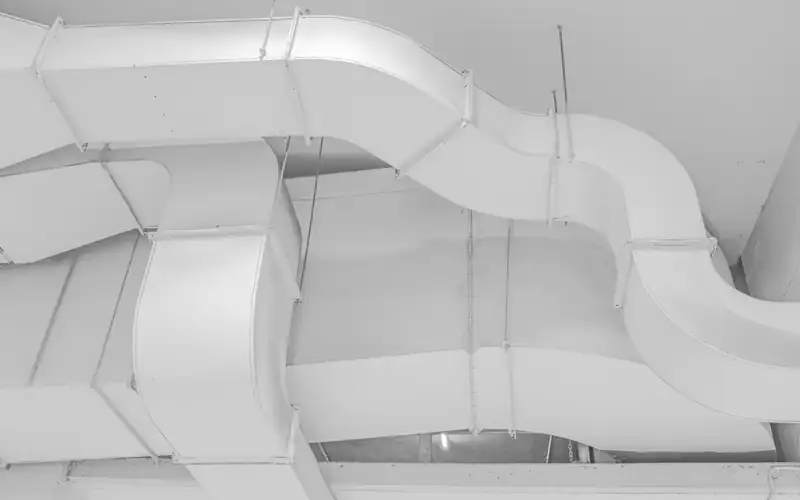
Ductwork & Maintenance
New or repaired ducts, airflow problems, and the yearly tune-up that keeps equipment running.
Not sure which one?
(978) 691-9005Tell us what's in the basement now and what you want the house to do, and we'll help you name the job.
Permits
HVAC permits in Reading
Reading's Building Division at Town Hall takes applications online through OpenGov, and its permitting page lists exactly when HVAC work needs a building permit (Permitting Application Information). Town Hall is closed on Fridays.
- Gas and electric
- National Grid gas; electricity from RMLD
- Building Division
- Town Hall, 16 Lowell Street; closed Fridays
- File online
- OpenGov for building permits; fire permits through the town's ViewPoint portal
- Building permit needed
- Adding or replacing an HVAC unit, condenser, ERV, HRV, mini-split or radiant heat
- Heat pumps and AC
- $100 per unit on the electrical permit
- Fire Department
- $50 each: oil burner, tank install, tank removal, propane
What needs a building permit. The Building Division says a building permit is required when replacing or adding an HVAC unit, condenser, ERV, HRV, mini-split or radiant heating. When ductwork is added, a sheet metal permit application goes in with Manual J, Manual S and Manual D, and a Duct Tightness Verification form is posted. At the final inspection, the permit card and a Completion of Construction affidavit are attached in OpenGov, and the electrical, plumbing and fire sign-offs must show on the card (Permitting Application Information).
Fees. Residential building permits are $13 per $1,000 of construction value with a $50 minimum, and the fee doubles for work started without a permit (Building Permit Fees, 8/2024). The gas schedule revised July 1, 2024 charges $50 for up to three gas fixtures plus $10 for each additional one and $50 for a gas water heater; a residential boiler or heater is $50 on the plumbing side (Plumbing/Gas Permit Fees). The 2026 electrical schedule lists $100 per air conditioner, mini-split or heat pump and $100 for a 200-amp service change (Electrical Permit Fees 2026).
Fire Department. Oil burner installations, tank installations, removal of an above-ground or underground tank and propane installations are $50 each, applied for through the town's ViewPoint "License & Permits" portal; Fire Prevention is at 781-942-6733 (Fire Department Permit Fee Schedule).
Energy code. The state lists Reading as a Stretch Code town effective January 1, 2021; it hasn't adopted the Specialized code (energy code adoption by town).
Last verified November 2026. Fees, restrictions and deadlines on this page are due for re-checking by January 2027. New England HVAC Service is a referral service. We don't pull permits or install equipment; the licensed contractor files the permit.
RMLD
Reading's own light department
The Reading Municipal Light Department, founded in 1894, supplies electricity to Reading, North Reading, Wilmington and Lynnfield Center (RMLD); gas in Reading comes from National Grid (state gas utility list). RMLD's heat pump program pays $2,000 per ton up to $8,000 for a new whole-house system and $400 per ton up to $4,000 for a whole-house replacement, with smaller amounts for partial-house systems, or offers a 0% whole-house loan of $10,000 to $40,000 through Reading Cooperative Bank. Weatherization is required for every option, and a customer who takes Mass Save heat pump rebates or the MLP Z-Loan can't use it (RMLD heat pump program).
The contractor calls RMLD at 781-942-6598 for a Utility Authorization Number before installing, and the town's wiring inspection is reported back to RMLD. Whole-house systems need a room-by-room Manual J, the same calculation Reading's Building Division asks for when ducts are added, and equipment installed from January 1, 2026 must use an A2L refrigerant.
Reading's housing
Older houses held to newer load calculations
A third of Reading's homes were built before 1940 and more than half before 1960 (2023 Housing Production Plan). The state's historical survey records center-chimney colonials from the mid-1700s, Greek Revival and Italianate houses on Woburn, Prospect and Salem Streets, and workers' cottages and double houses east of the center built between 1870 and 1915 (MHC survey).
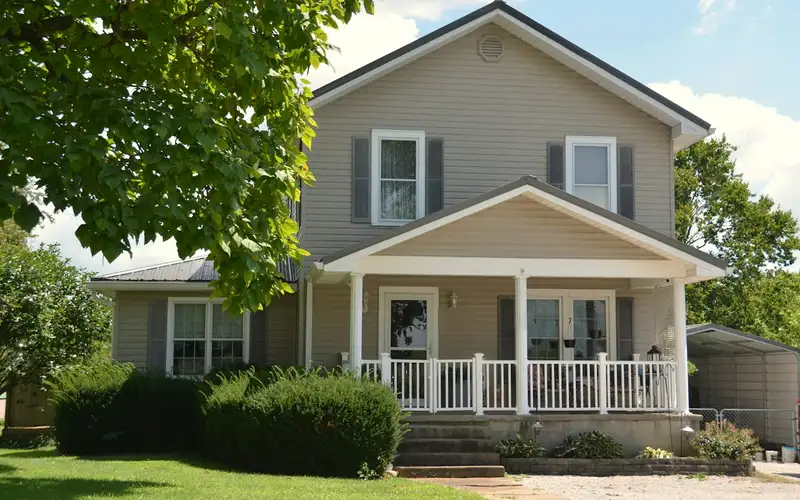
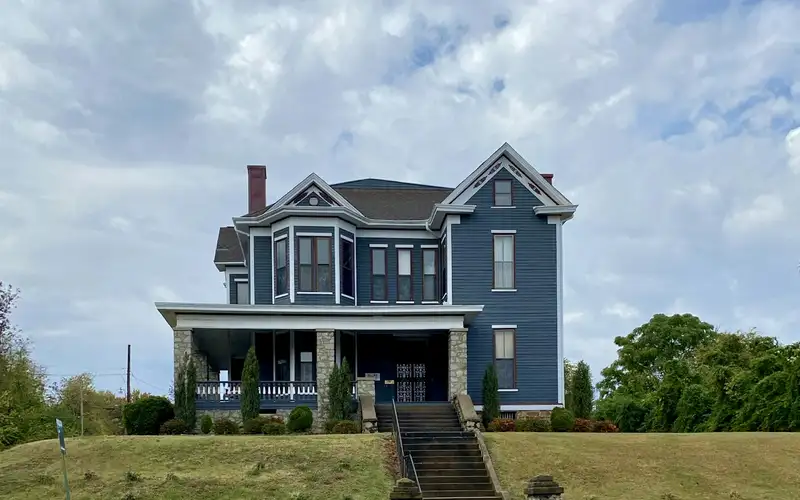
When those houses get new heating or cooling, the Manual J, S and D calculations Reading asks for are where an old house's real heat loss gets measured instead of guessed. In the West Street local historic district, the commission's guidelines, updated February 22, 2024, review exterior HVAC equipment and name mini-splits directly: visual impact comes first, especially outside wiring and piping, and units should go behind the house, screened by plants and painted to match, while mechanical vents and chimney caps are exempt (Historic District Commission guidelines).
FAQ
Reading heating and cooling questions
Does a mini-split need a building permit in Reading?
Yes. The Building Division requires a building permit when an HVAC unit, condenser, ERV, HRV, mini-split or radiant heating is added or replaced. The electrical permit is a separate $100 per unit for an air conditioner, mini-split or heat pump.
What paperwork comes with new ductwork?
A sheet metal permit application along with Manual J, Manual S and Manual D calculations. The town also posts a Duct Tightness Verification form.
Can I put a heat pump on a house in the West Street historic district?
It goes through the Historic District Commission, whose guidelines review exterior HVAC equipment other than window air conditioners. They ask that mini-splits sit behind the house, screened with plants and painted to match, with wiring and piping kept out of view. Mechanical vents are exempt.
What do Reading's fire permits cost when switching off oil?
The Fire Department lists $50 each for an oil burner installation, a tank installation, removal of an above-ground or underground tank, and propane.
What does it cost me to use New England HVAC Service?
Nothing. The request and the referral are free; the contractor prices the job.
Nearby